
Selecting Eye Shields for Your Ophthalmology Department
Selecting the right ophthalmology eye shields for your department involves more than simply choosing a material. Procedure type, patient comfort, visibility, light sensitivity, fit, ventilation, and application method can all play a role in determining which shield is best suited for your clinical needs.
With multiple styles available, understanding the differences between aluminum, clear polycarbonate, tinted, foam-lined, and strap-secured shields can help your department maintain appropriate options for a variety of procedures and patient needs.
Aluminum Options
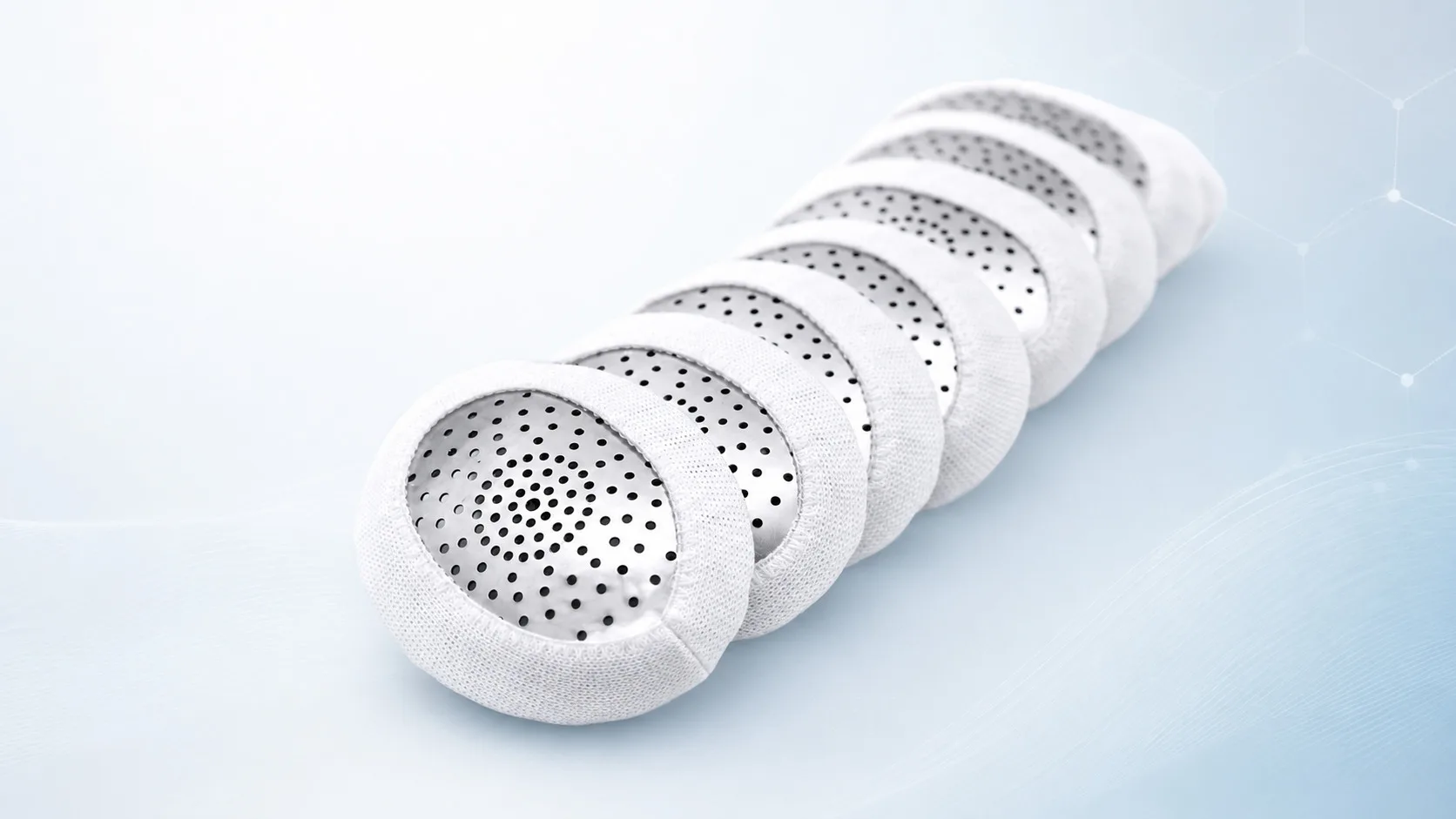
Aluminum eye shields provide lightweight, durable post-operative protection and are available in a variety of configurations. Pinhole designs allow airflow while maintaining a usable field of vision, while optional fabric loop covers can provide additional cushioning around the eye.
For facilities looking to streamline application, select aluminum shields are also available with Pre-Applied Resticks adhesive strips.
Clear Polycarbonate Options
Clear polycarbonate shields offer durable protection while allowing clinicians and patients to see through the shield. They are available in different depths, including standard and deep-profile designs, making it easier to accommodate different facial structures and provide additional eyelash clearance when needed.
Perimeter ventilation is another important consideration. Positioning ventilation openings around the outside of the shield helps maintain airflow while leaving the central viewing area relatively unobstructed.
For additional general information about protective eyewear and polycarbonate eye protection, healthcare professionals can also review guidance from the National Eye Institute.
Tinted Options for Light Sensitivity
For patients experiencing light sensitivity following an ophthalmic procedure, tinted polycarbonate shields can offer additional comfort by reducing light exposure.
Depending on the product, tinted shields may also be available with soft foam lining, moisture-retention designs, or adjustable straps. These options allow clinicians to select a configuration based on both the procedure and the individual patient’s needs.
Comfort and Secure Placement
The way an eye shield is secured can be just as important as the shield itself. Resticks reusable adhesive strips offer a convenient alternative to traditional medical tape, while reusable fabric loop covers provide additional cushioning around compatible shields.
For patients or procedures where adhesive placement is not preferred, SoloShield and Duo-Shield styles with adjustable elastic straps provide another option. Bilateral Duo-Shield designs can be particularly useful when protection is needed for both eyes following procedures such as LASIK.
How to Choose Ophthalmology Eye Shields
When comparing ophthalmology eye shields for your department, consider:
- The ophthalmic procedures your facility performs most frequently
- Whether unilateral or bilateral protection is required
- Standard versus deep-profile fit
- Patient light sensitivity
- Ventilation or moisture-retention needs
- Foam lining or reusable loop covers for added comfort
- Adhesive versus elastic-strap placement
Maintaining several eye shield styles within your department can help ensure clinicians have appropriate options available for different procedures and patient needs.
Eye Protection for Your Ophthalmology Department
Eye Shield Technology offers a wide range of aluminum, clear polycarbonate, tinted, foam-lined, moisture-retention, and bilateral eye protection solutions for ophthalmology practices, hospitals, ambulatory surgery centers, and other healthcare facilities.
Choosing the appropriate shield for each procedure and patient can help support comfortable, secure post-operative eye protection. Explore Eye Shield Technology’s range of eye shields to find options that meet the needs of your ophthalmology department. support ophthalmic practices, hospitals, and surgery centers.